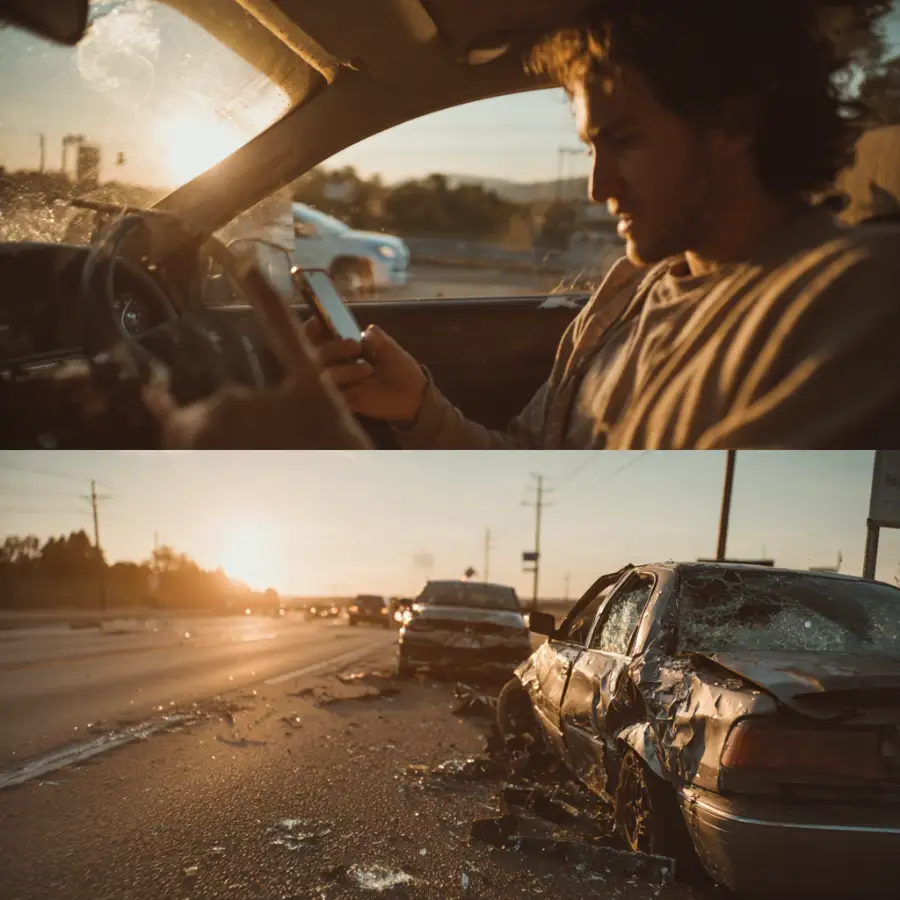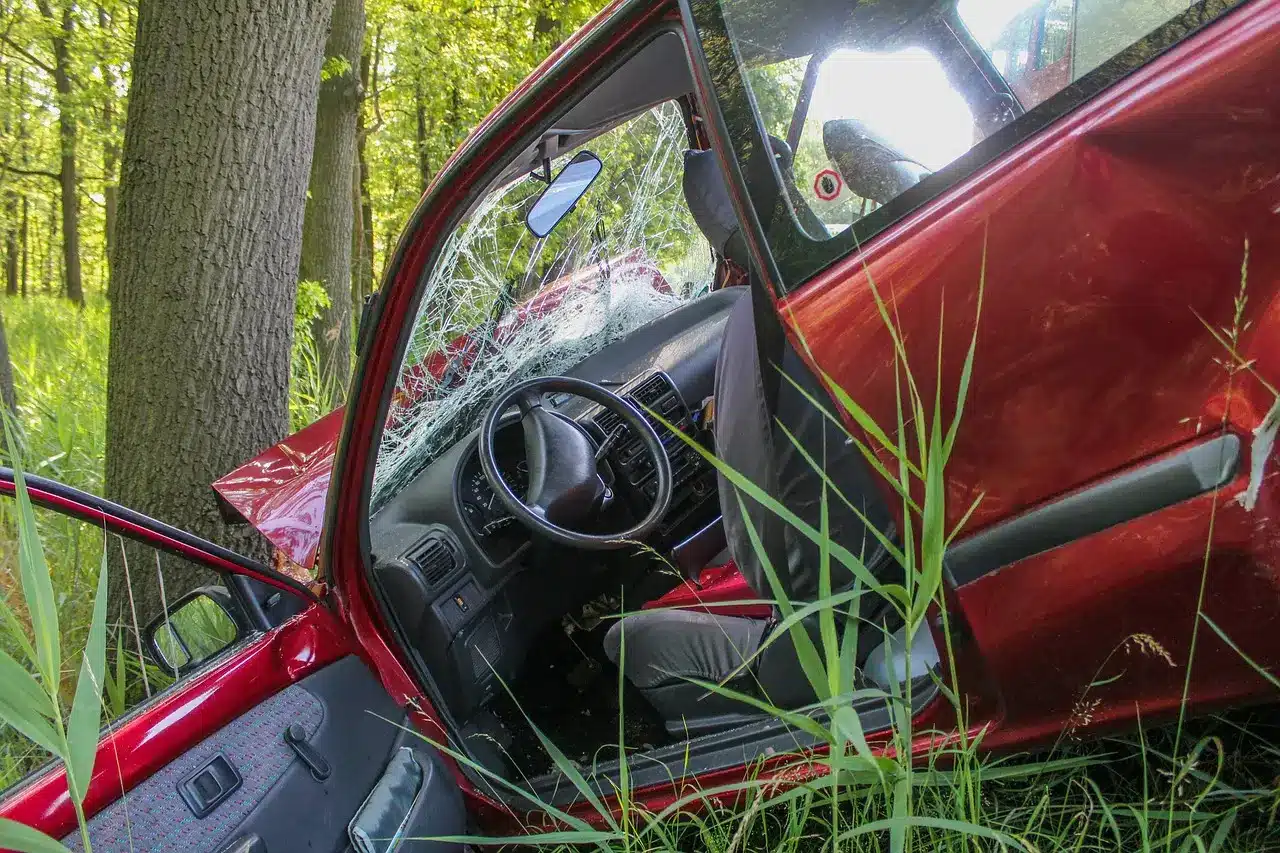
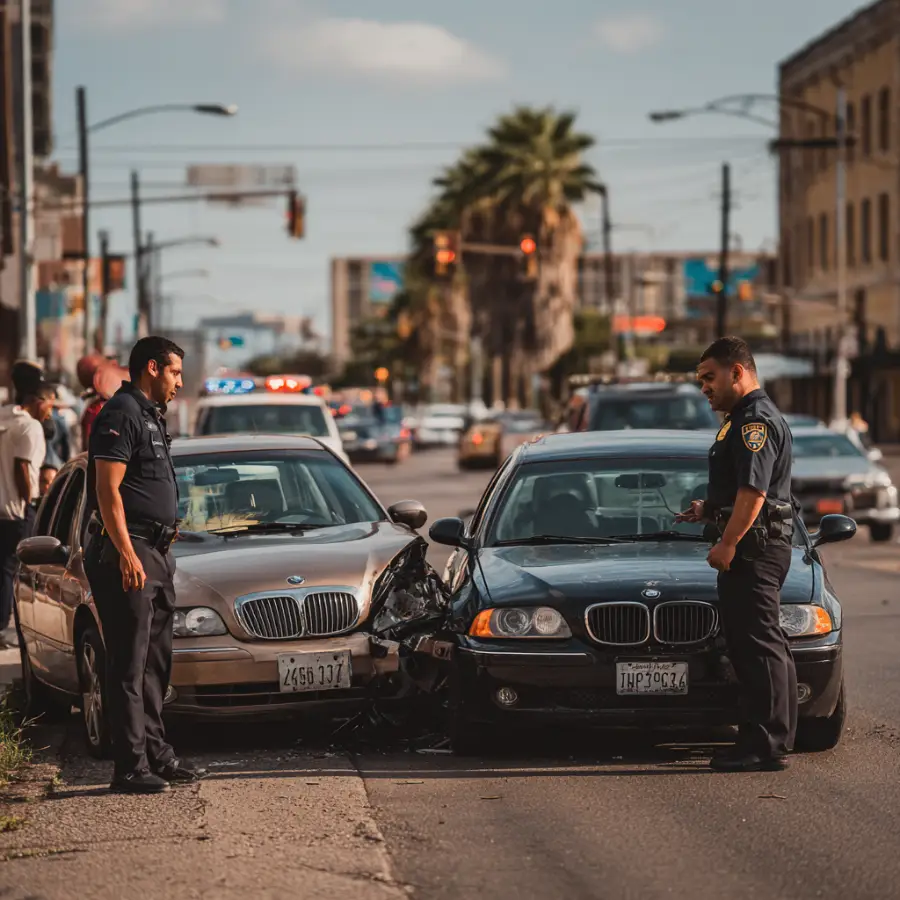
Rear-end collisions rank among the most frequent car accidents that can happen to anyone, anywhere. A car accident’s overwhelming aftermath often leaves people confused about their next steps. Your legal rights and physical wellbeing depend on knowing what to do after getting rear-ended.
Texas has specific laws about what you must do after an accident. The state’s law requires you to notify police if damage costs more than $1,000 or someone gets hurt or dies. Texas rear-end law gives you two years from your accident date to file personal injury claims. These requirements matter because they directly affect your chances of getting fair compensation.
The Law Office of Arturo Martinez, PC helps injured people in Pharr, McAllen, and throughout the Rio Grande Valley. This practical guide shows you the vital steps to take right after getting rear-ended – from injury checks to scene documentation and legal rights protection.
Check for Injuries and Call 911 Immediately
Quick thinking and decisive action are crucial right after a rear-end collision. Your top priority should be the safety and well-being of everyone involved. Here’s what you need to do first.
Assess yourself and passengers
Take a moment to check yourself for injuries after the crash. Serious harm might not be obvious right away, even in minor rear-end collisions. The US sees about 2 million rear-end collisions yearly, and one-third of victims report injuries.
Watch for obvious signs like cuts, bruises, or bleeding. Also check for:
-
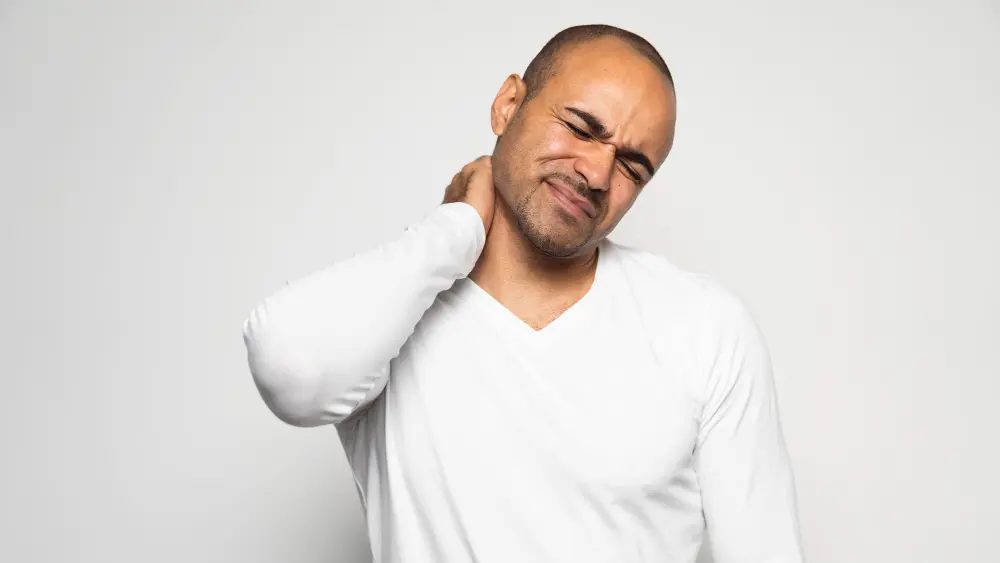
Pain or stiffness in your neck, back, or shoulders
-
Dizziness or disorientation
-
Difficulty moving any part of your body
Check on your passengers next. Ask if they’re okay and look for signs of injury. Note that adrenaline can mask pain—you might not feel symptoms right after the crash. This delayed reaction happens often with whiplash and soft tissue injuries.
Call emergency services if needed
Call 911 right away if anyone seems hurt. Stay calm and tell the dispatcher:
-
Your exact location
-
The number of vehicles involved
-
Whether anyone is injured
-
If vehicles are blocking traffic
Calling emergency services creates an official record, even for minor accidents. Police officers will create a police report that becomes valuable for insurance claims and possible legal action.
Legal requirement to report serious accidents
Texas law requires you to report accidents that cause injury, death, or property damage over $1,000. You could face criminal penalties, fines, and hit-and-run charges if you don’t report these accidents.
Our team at the Law Office of Arturo Martinez, PC has seen how proper accident reporting protects victims’ rights in McAllen and throughout the Rio Grande Valley. Many drivers don’t know about these legal requirements until it’s too late.
Get medical attention as soon as possible, even if you feel fine. This documents your condition and prevents hidden injuries from getting worse. Some injuries might not show symptoms for days after the crash.
Move to Safety and Avoid Further Risk
Your safety comes first after an accident. Make sure everyone is okay and call emergency services. The next vital step is to protect yourself from other vehicles hitting you. You need to know if and how you should move your vehicle to prevent more accidents.
When to move your vehicle
Texas Transportation Code Section 550.022 tells you what to do with your vehicle after a collision. The law states that you must move your vehicle to a safe spot if you’re on a freeway in places like McAllen and your car still runs properly. Safe spots include:
-
A designated collision investigation site
-
A nearby frontage road
-
The closest suitable cross street
-
Any spot that keeps traffic moving
But you should keep vehicles where they are if someone is badly hurt or killed until police arrive. The basic rule says to move your car off the road only if you can do it safely. This keeps traffic flowing and reduces the chance of more accidents.
Use hazard lights and warning signals
Right after getting rear-ended, switch on your hazard lights. This simple step substantially cuts down the risk of other cars hitting you, especially in poor visibility. If you can’t move your damaged vehicle:
-
Stay in your car with your seatbelt on
-
Keep your hazard lights on
-
Set up reflective triangles or flares if you have them and it’s safe
These steps become even more important at night or in bad weather that limits visibility. Warning signals give other drivers time to slow down and change direction.
Stay at the scene as required by Texas law
Texas law is clear – you must stay at the accident scene whatever the damage. Even minor accidents can lead to criminal charges if you leave before taking care of your legal duties. Texas Transportation Code Section 550.021 requires you to:
-
Stop right at or near the scene
-
Check if anyone needs help
-
Stay until you’ve shared all required information
-
Keep traffic moving as much as possible
Our team at the Law Office of Arturo Martinez, PC has helped many McAllen residents understand what they need to do after being rear-ended. We know that following these steps protects your rights and makes your injury claim stronger.
Exchange Information and Document the Scene
Documentation plays a key role when someone rear-ends your vehicle. This step protects your legal rights and creates a strong case for insurance claims or possible legal action.
What details to collect from the other driver
Once you’re in a safe spot, get this information from the other driver:
-
Full name and contact details
-
Driver’s license number
-
Insurance company name and policy number
-
Vehicle make, model, and license plate
-
Vehicle registration information
Don’t discuss who’s at fault or say sorry – these statements could work against you later.
Take photos and videos of the accident
Use your smartphone to document everything:
-
Damage to all vehicles from different angles
-
License plates of all involved vehicles
-
Road conditions, skid marks, and debris
-
Traffic signs and signals nearby
-
Current weather conditions
Start with wide-angle shots and then move in closer to capture damage details.
Get witness contact information
Witness accounts provide an unbiased view of what happened. Ask them for:
-
Names and phone numbers
-
Email addresses
-
Quick statements about their observations
Request police report details
Get these details before the officer leaves:
-
Officer’s name and badge number
-
Report number
-
Steps to get a copy of the report
Here at the Law Office of Arturo Martinez, PC, we’ve helped many McAllen clients use proper documentation to get fair compensation after rear-end accidents.
Understand Your Legal and Insurance Responsibilities
The right legal steps after a rear-end collision protect your rights and make your claims stronger. Here’s what you should do:
Notify your insurance company
Your insurer needs to know about the accident right away. Give them accurate details but don’t make guesses about what caused the crash. Your policy likely needs you to tell them quickly—usually within 24 hours. Make sure you keep a record of every conversation with your insurance company.
Texas rear end law and comparative fault
Texas uses a modified comparative fault rule, which people call the “51 percent bar rule”. This rule lets you get compensation if you’re less than 51% responsible. Your fault percentage reduces what you receive. To cite an instance, a $100,000 award with 30% fault means you’ll get $70,000.
File a crash report if required
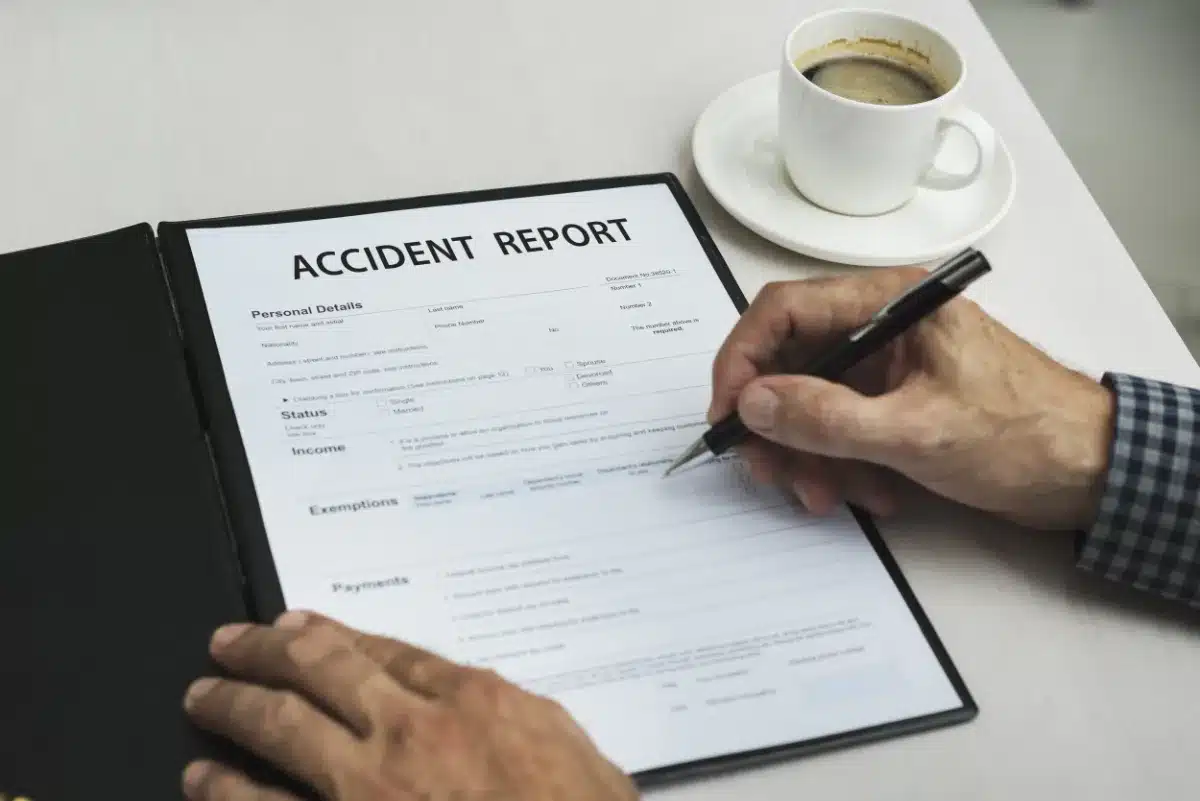
The law in Texas says you must file a crash report (Form CR-2) within 10 days if anyone gets hurt, dies, or the damage costs more than $1,000. Keep a copy handy.
Seek medical attention and keep records
You should see a doctor soon, even without obvious injuries. Whiplash and other problems might show up days later. Keep track of every medical visit, treatment, and bill. These documents help prove personal injury claims.
Avoid admitting fault or signing documents
Watch what you say to other drivers or insurance adjusters. Don’t sign any settlements or waivers before talking to a lawyer.
When to contact a personal injury attorney
A lawyer can help if:
-
Your injuries are serious
-
Someone questions who’s at fault
-
Insurance companies won’t cooperate
The Law Office of Arturo Martinez, PC is here to help. We give free consultations 24/7 to anyone hurt in McAllen and the Rio Grande Valley.
Conclusion
Rear-end collisions catch McAllen drivers off guard and leave them feeling overwhelmed and uncertain. The steps above will improve your chances of protecting your health and legal rights by a lot. Your immediate safety should be your top priority after any collision.
Texas law requires specific actions after an accident, especially when there are injuries or property damage. Not following these requirements might affect your chances of receiving fair compensation. Your strongest ally is documentation – photos, witness statements, and medical records build a compelling case if you need to file a claim.
On top of that, getting prompt medical attention is essential. Many serious injuries, especially whiplash, might not show symptoms until days after the collision. Medical documentation links your injuries directly to the accident, which becomes vital for any future claims.
Getting rear-ended often brings unexpected costs through medical bills, vehicle repairs, and lost wages. You don’t have to direct this challenging time alone. Our experienced team at the Law Office of Arturo Martinez, PC serves injured clients throughout Pharr, McAllen, and the entire Rio Grande Valley. We focus exclusively on personal injury cases and ensure individual-specific attention for every client.
If you’re dealing with serious injuries, disputed fault, or uncooperative insurance companies after being rear-ended, call us at (956) 781-6203 for a 24/7 free consultation. Our dedicated attorneys will fight tirelessly to secure the justice and compensation you deserve while you focus on what matters most—your recovery.
Key Takeaways
Being rear-ended can be overwhelming, but taking the right immediate actions protects your health, legal rights, and potential compensation. Here are the essential steps every McAllen driver should know:
• Prioritize safety first: Check for injuries, call 911 if anyone is hurt, and move vehicles to safety when possible while keeping hazard lights on.
• Document everything thoroughly: Exchange driver information, take photos of all damage and road conditions, and collect witness contact details before leaving the scene.
• Follow Texas legal requirements: Report accidents with injuries or damages over $1,000 within 10 days, and never leave the scene regardless of collision severity.
• Seek immediate medical attention: Even without obvious symptoms, see a doctor promptly as injuries like whiplash may not appear for days after the accident.
• Protect your legal rights: Notify your insurance company within 24 hours, avoid admitting fault, and consult a personal injury attorney for significant injuries or disputed claims.
Under Texas’s comparative fault rule, you can still recover damages even if you’re partially at fault (up to 50%). Proper documentation and prompt action are crucial for securing fair compensation for medical bills, vehicle repairs, and lost wages.
FAQs
Q1. What should I do immediately after being rear-ended? First, check yourself and passengers for injuries. If anyone is hurt, call 911 immediately. Then, if it’s safe to do so, move your vehicle out of traffic and turn on your hazard lights. Stay at the scene and exchange information with the other driver.
Q2. How soon should I notify my insurance company after a rear-end collision? Contact your insurance company as soon as possible, ideally within 24 hours of the accident. Provide accurate details about the incident, but avoid speculating about fault. Keep a record of all communications with your insurer.
Q3. Do I need to see a doctor even if I don’t feel injured after being rear-ended? Yes, it’s advisable to seek medical attention promptly, even if you don’t have immediate symptoms. Some injuries, like whiplash, may not manifest for days after the accident. Medical documentation is also crucial for any potential insurance claims or legal proceedings.
Q4. What information should I collect at the accident scene? Gather the other driver’s contact details, insurance information, and vehicle details. Take photos of all vehicle damage, road conditions, and any visible injuries. If there are witnesses, get their contact information. Also, note the responding police officer’s name and badge number, and how to obtain the accident report.
Q5. When should I consider hiring a personal injury attorney after being rear-ended? Consider legal representation if you’ve sustained significant injuries, if fault is being disputed, or if insurance companies are being uncooperative. An attorney can help protect your rights and ensure you receive fair compensation, especially in complex cases or those involving substantial damages.