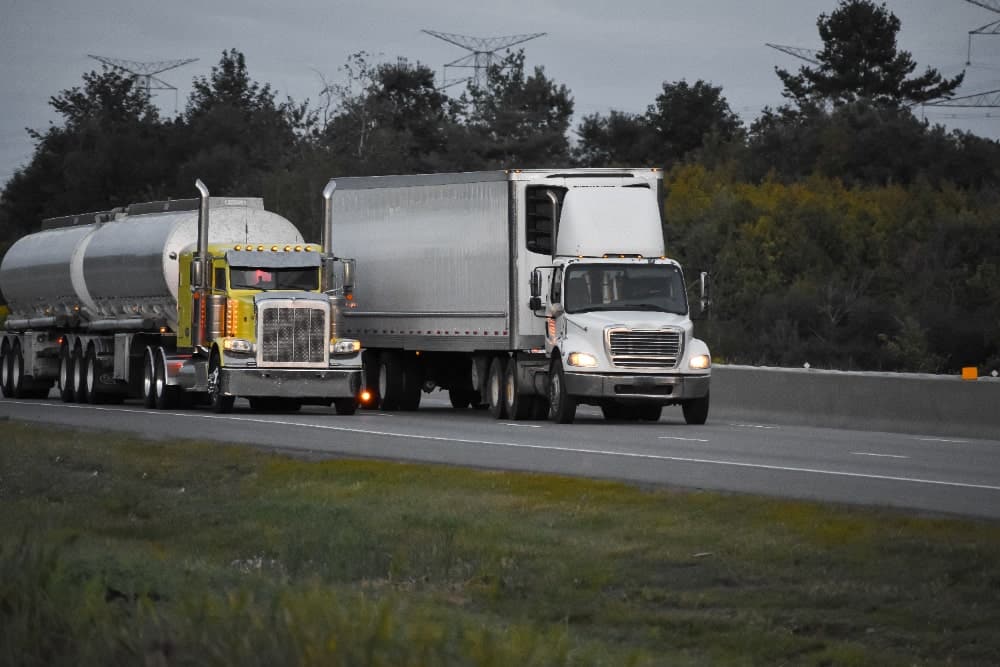

Multiple-vehicle collisions create chaos on our roadways. These chain-reaction crashes cause severe injuries, extensive property damage, and fatalities – particularly in construction zones. Multi vehicle collision incidents present complex challenges because determining who caused the initial impact becomes difficult, and the damage often exceeds typical two-car accidents.
The I-2/I-69C construction zone near Pharr creates dangerous conditions for Rio Grande Valley drivers every day. You need to understand liability in these situations to protect your legal rights.
We handle multi-vehicle collision cases professionally. The Law Office of Arturo Martinez, PC helps injured individuals in Pharr, McAllen, and across the Rio Grande Valley secure the compensation they deserve. Call us at (956) 781-6203 for a free consultation.
Understanding Multiple-Vehicle Collision Liability in I-2/I-69C Construction Zones
What Makes Construction Zone Accidents Different
Work zones turn ordinary roadways into dangerous crash sites. Lane closures, narrowed lanes, and sudden merges force drivers to make split-second decisions in unfamiliar traffic patterns. Roadside work zone fatalities have increased by 29% in the U.S. since 2010, despite numerous public awareness campaigns. The numbers tell the story – 891 people died and 37,701 were injured in highway work zone collisions nationwide in 2022 alone.
Construction zones alter road geometry and create sudden congestion that limits visibility. Research shows four key factors increase work zone collision risk: lane closures, work length, historical collision density, and truck traffic volume. Multi vehicle collision incidents become inevitable when these elements combine with driver error. The constrained environment leaves no room for correction – minor mistakes become multi-vehicle pileups.
The I-2/I-69C Pharr Interchange Project and Increased Accident Risk
The I-2/I-69C Interchange reconstruction spans 7.8 miles from just west of 2nd Street in McAllen to just east of FM 2557 in San Juan, and on I-69C from Nolana Loop to I-2 in Pharr. This design-build project represents one of the most significant infrastructure investments in the Rio Grande Valley.
Construction crews work in actively trafficked areas while vehicles pass through, regularly detouring and moving traffic to build in small sections. I-2 congestion forces traffic onto adjacent city roads not designed to handle heavy loads. These constant traffic adjustments create confusion and multiply collision risks. Survey data shows 60% of highway contractors reported at least one crash in their work zones during the past year, with nearly one-third experiencing five or more crashes.
Common Causes of Multi-Vehicle Collisions in Work Zones
Distracted driving causes most work zone crashes. Drivers miss warning signs, cones, or workers near the road while texting or managing other distractions. Speeding in reduced-limit zones proves equally deadly – drivers cannot stop when traffic slows unexpectedly.
Work zone dangers include:
-
Tailgating that creates chain-reaction risks where sudden stops are common
-
Poor visibility during nighttime construction or with insufficient lighting
-
Improper lane changes in areas with reduced or shifted lanes
Construction companies bear responsibility when inadequate safety measures contribute to accidents. Failure to maintain proper signage, barriers, or lighting establishes grounds for liability claims. We evaluate these complex factors for clients throughout Pharr, McAllen, and the Rio Grande Valley with the experience that comes from handling over 2,500 cases.
How Liability is Determined in Multi-Vehicle Construction Zone Accidents
Identifying the Initial Negligent Act
Chain reaction collisions start when one vehicle crashes into another, creating a domino effect that involves several cars. The driver who initiates the crash bears primary responsibility in most cases. Here’s how this works:
If one vehicle rear-ends another and pushes it into a third car, the initial driver is at fault for failing to maintain safe following distance.
Liability becomes complicated when multiple factors are present. If a middle vehicle could have prevented impact into the next car, that driver might share partial fault. We determine liability by examining:
-
Police reports
-
Eyewitness statements
-
Dashcam footage
The Role of Construction Companies and Traffic Control Failures
Construction companies responsible for work zones may be held liable if their negligence contributed to accidents. This includes:
-
Inadequate signage
-
Poorly marked lanes
-
Failure to implement necessary safety measures
Companies providing traffic control devices such as signs, cones, and barriers can face liability if their negligence results in confusing or unsafe conditions.
Government Contractor Liability for Inadequate Warning Signs
Government contractors must follow required safety laws when setting up construction zones, including proper signage, lighting, and barricades. One Tennessee case shows how serious this responsibility is – a jury found a construction company 70% negligent when a contractor failed to follow guidelines for signing a construction work zone controlled by flaggers.
Faded or damaged signs that fail to provide clear warnings can establish contractor negligence under traffic safety standards.
When Multiple Drivers Share Fault: Texas Comparative Negligence
Texas follows modified comparative negligence with a 51% bar rule. Each driver receives a fault percentage, and compensation is reduced by that percentage. Multiple drivers can share fault in multi-vehicle collisions, particularly when several were driving too fast for conditions or were distracted.
The 51% Rule and Your Right to Compensation
Under Texas law, you can recover damages only if your fault is 50% or less. If your fault exceeds 50%, you cannot recover any compensation. At exactly 50% fault, you can still recover half your damages.
We help clients throughout Pharr and McAllen build strong cases to minimize fault percentages and maximize recovery.
What to Do Immediately After a Multi-Vehicle Collision in a Construction Zone
You need to act quickly after a multiple-vehicle collision in a construction zone. Your health and legal rights depend on the steps you take right now.
Stay Safe and Check for Injuries
Get to a safe spot away from active traffic lanes and construction equipment. Check yourself and your passengers for injuries first. Construction zones present dangers you won’t find at typical accident scenes – heavy machinery, uneven pavement, and workers moving around on foot.
Call 911 and Document the Scene Thoroughly
Contact emergency services immediately. Tell them you’re in a construction zone so responders can work around road closures and barriers. Take photos of everything – vehicle damage, road conditions, construction signs, barriers, traffic control devices, and any missing or unclear signage. The National Safety Council reports 568 people died in construction zone crashes in 2023. Your visual evidence shows whether proper safety measures were actually in place.
Gather Information from All Drivers and Witnesses
Exchange insurance and contact information with every single driver involved. Talk to construction workers who saw the multi vehicle collision happen – their statements can make or break your case. Get names and phone numbers from bystanders before they disappear.
Seek Medical Attention Even If You Feel Fine
Go to the hospital right now, even if you think you’re okay. Whiplash and concussions hide their symptoms for hours or days. Wait too long for medical care and insurance companies will claim your injuries had nothing to do with the accident.
Contact a McAllen Personal Injury Attorney Before Speaking to Insurance
Insurance adjusters work for their companies, not for you. We protect clients throughout Pharr and McAllen from unfair settlement tactics that cost you money. Call us at (956) 781-6203 for a free consultation before you give any recorded statements.
Proving Liability and Building Your Case
Your multiple-vehicle collision claim depends on solid evidence that shows how construction zone conditions caused the crash.
Evidence Needed to Establish Construction Zone Negligence
Construction zone accidents require more than standard crash reports. You need specific documentation to prove negligence:
-
Traffic control plans approved for the construction project establish what safety measures should have been in place
-
Maintenance and inspection records reveal whether contractors maintained proper equipment and signage
-
Witness statements from drivers, workers, or nearby residents provide accounts of conditions before the crash
-
Data from vehicle event recorders and roadway cameras can reconstruct the collision sequence
Construction zones change rapidly or disappear entirely within days of a crash. Early evidence preservation becomes critical.
Police Reports and Accident Reconstruction
The Texas Peace Officer’s Crash Report (Form CR-3) provides an authoritative account of the collision. Officers trained in crash evaluation document citations issued, contributing factors, and detailed narratives.
Accident reconstruction experts examine skid marks, debris patterns, and vehicle damage to recreate the collision sequence. These specialists use 3D modeling, drone photography, and electronic data from vehicle computers. Professional reconstructionists study final vehicle positions and apply scientific principles to establish fault.
Photos, Videos, and Physical Evidence
Visual evidence preserves the scene exactly as it existed at impact. Your photographs should document:
-
Vehicle positions and roadway layouts
-
Traffic control devices and surrounding conditions
-
Construction zones and missing signage
-
Wet pavement or obstructed sight lines
Physical evidence includes skid marks revealing vehicle speed, damage patterns indicating impact angles, road scars showing pavement contact, and debris fields determining vehicle paths. Weather and traffic destroy this evidence quickly.
Why Multiple Insurance Companies Make Your Case More Complex
Multiple insurance policies create serious challenges for accident victims. Your coverage, the at-fault driver’s insurance, and other vehicle policies overlap. Insurers dispute which policy pays first. These disputes delay benefits while companies argue about coverage responsibilities.
Coordination of benefits clauses can reduce your total recovery if not handled properly. Subrogation rights add complexity when your insurance company seeks reimbursement from other liable parties after paying your claim. Each insurance company assigns its own adjuster to investigate the accident. Conflicting assessments complicate negotiations.
We help clients throughout Pharr and McAllen fight these disputes to secure maximum compensation.
Conclusion
Multi-vehicle collisions in construction zones create complex liability challenges that demand expert legal analysis. You cannot handle multiple insurance companies, comparative negligence rules, and evidence preservation alone without risking your compensation.
We focus exclusively on personal injury cases throughout Pharr, McAllen, and the Rio Grande Valley. Our experience with construction zone accidents gives you the advantage you need to protect your legal rights and secure fair compensation.
The Law Office of Arturo Martinez, PC is dedicated to securing justice for injured individuals. Call us at (956) 781-6203 for a free consultation today.
Key Takeaways
Understanding liability in multi-vehicle construction zone accidents is crucial for protecting your rights and securing fair compensation, especially with ongoing I-2/I-69C construction increasing accident risks in the Rio Grande Valley.
• Construction zones increase multi-vehicle collision risks by 29% due to lane closures, reduced visibility, and altered traffic patterns that leave minimal room for driver error correction.
• Texas follows the 51% rule – you can only recover damages if your fault is 50% or less, making proper liability determination critical for compensation.
• Multiple parties may share liability including negligent drivers, construction companies with inadequate safety measures, and government contractors failing to maintain proper signage.
• Document everything immediately: take photos of all vehicles, construction signs, road conditions, and gather witness information before evidence disappears or changes.
• Contact an experienced personal injury attorney before speaking to insurance companies, as multiple insurers will dispute coverage responsibilities to minimize payouts.
Construction zone accidents involve complex evidence that can disappear quickly, making immediate legal representation essential for building a strong case and navigating the intricate web of multiple insurance policies and comparative negligence laws.
FAQs
Q1. What defines a multiple-vehicle collision and why are they so dangerous? A multiple-vehicle collision, often called a “pile-up,” involves three or more vehicles in a chain-reaction crash. These accidents are particularly dangerous because they typically occur at high speeds on highways, result in more extensive damage than two-car accidents, and make it difficult to determine who caused the initial impact. The complexity increases significantly in construction zones where lane closures and altered traffic patterns leave minimal room for error.
Q2. Can construction companies be held liable for accidents in work zones? Yes, construction companies can be held liable if their negligence contributed to an accident. This includes failures such as inadequate signage, poorly marked lanes, insufficient lighting, or not implementing necessary safety measures. Government contractors must follow required safety laws when setting up construction zones, and their failure to maintain proper warning signs, barriers, or traffic control devices can establish grounds for liability claims.
Q3. How does Texas law determine fault in multi-vehicle accidents? Texas follows a modified comparative negligence rule with a 51% bar. Each driver involved receives a fault percentage, and your compensation is reduced by your percentage of fault. Critically, you can only recover damages if your fault is 50% or less. If you’re found to be 51% or more at fault, you cannot recover any compensation. Multiple drivers can share fault in these collisions, particularly when several were speeding or distracted.
Q4. What should I do immediately after being involved in a construction zone accident? First, move to a safe location away from traffic and construction equipment, then call 911. Document the scene thoroughly by taking photos of all vehicle damage, road conditions, construction signs, barriers, and any missing or unclear signage. Exchange information with all drivers involved and gather witness statements from construction workers and bystanders. Seek medical attention immediately, even if you feel fine, as some injuries don’t show symptoms right away.
Q5. Why should I contact an attorney before speaking to insurance companies after a multi-vehicle collision? Multiple insurance companies make these cases extremely complex because each insurer will dispute which policy pays first and try to minimize their financial responsibility. Insurance adjusters prioritize their company’s interests, not yours, and may use your statements against you. An experienced attorney can protect you from unfair settlement tactics, navigate the disputes between multiple insurers, and ensure you don’t inadvertently reduce your compensation by giving recorded statements or signing documents without proper review.