
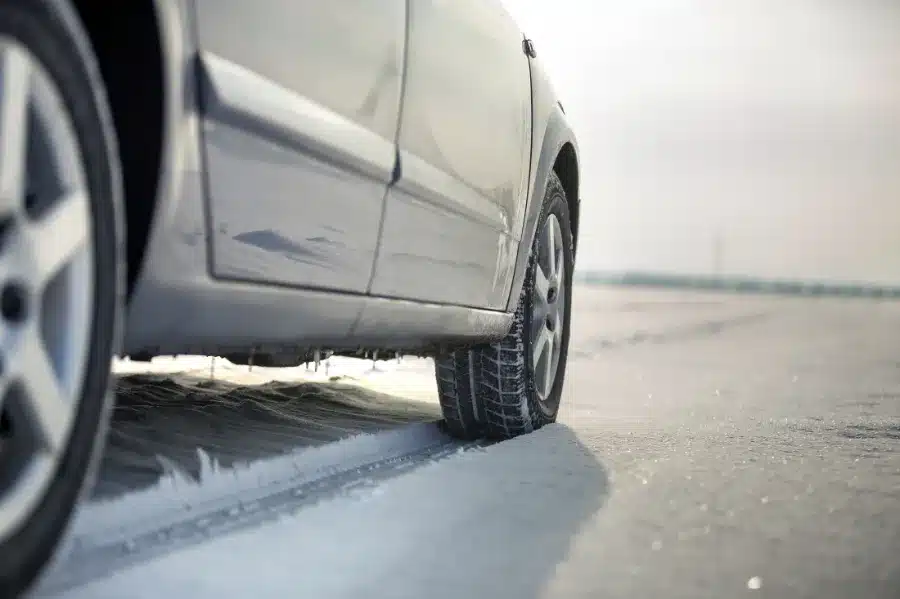
Road safety statistics paint a sobering picture – icy roads claim over 1,800 lives and cause 156,000 accidents yearly across the United States. The AAA Foundation for Traffic Safety reports winter weather triggers nearly half a million crashes each season. Many drivers face the difficult choice of venturing out despite hazardous conditions.
Your safety matters to us. This practical guide equips you with proven techniques to protect yourself and your loved ones during winter travel. Our expert advice covers crucial skills – from mastering black ice encounters to maintaining control on snow-packed roads. You’ll learn exact following distances, specific braking methods, and essential maneuvers that could save your life this winter season.
Understanding Icy Road Dangers
Black ice ranks among winter’s most lethal road hazards. Each year, this silent threat claims 1,836 lives and leaves 136,309 people injured across the United States. Most drivers discover its presence too late – a transparent sheet of ice perfectly mimicking the road surface below, waiting at freezing temperatures.
Common types of ice formations
Road ice appears in several dangerous forms. The most treacherous, black ice, creates an invisible glaze matching the pavement color perfectly. Winter mornings often bring frost – delicate ice crystals formed when water vapor freezes directly on cold road surfaces. Drivers must also watch for rime ice, a rough, milky-white coating that forms when supercooled droplets instantly freeze upon contact.
High-risk areas on roads
Certain road sections demand extra caution:
- Bridges and overpasses where cold air attacks from above and below
- Tree-lined streets and tunnel approaches staying perpetually shaded
- Quiet back roads allowing undisturbed ice buildup
- Locations near water bodies or drainage systems
- Busy intersections and curves where traffic polishes ice to glass-like smoothness
Weather conditions that create ice
Winter weather dramatically affects road safety. Ice and snow cut pavement friction, forcing drivers to reduce speeds by 30-40 percent. Dawn and dusk pose special risks as temperatures plummet. Light freezing drizzle or fog can transform roads into ice rinks within minutes. Even slightly above-freezing temperatures turn dangerous when wind accelerates surface cooling, creating unexpected icy patches.
Essential Vehicle Preparations
Smart vehicle preparation serves as your first defense against winter driving dangers. Your safety depends heavily on how well your vehicle performs when temperatures plunge and roads turn treacherous.
Winter tire requirements
Winter demands special care for your tires. Watch your tire pressure closely – every 10-degree temperature drop steals 1 PSI of pressure. Standard all-season tires fall short in harsh conditions. Quality winter tires prove their worth by delivering 33% stronger acceleration and cutting stopping distances by 30 feet.
Your winter tire checklist must include:
- Tread depth measuring at least 4/32″ for safe winter driving
- Precise inflation matching manufacturer guidelines
- Careful inspection of sidewalls for damage
- Regular checks for uneven wear patterns
Battery and fluid checks
Winter shows no mercy to weak batteries. Freezing temperatures rob up to 60% of battery power, turning morning starts into frustrating ordeals. Schedule professional battery testing, especially for units over three years old.
Your engine’s lifeblood needs equal attention. Mix coolant and distilled water in exact 50/50 proportions to shield against freezing and corrosion. Cold weather demands winter-grade oil – standard oil thickens dangerously, forcing your engine to work harder.
Safety demands more than basic maintenance. Check brake fluid carefully – any discoloration signals urgent problems. Choose winter-specific windshield washer fluid to prevent dangerous freezing. Proper fluid levels shield your vehicle’s vital systems when winter strikes hardest.
Safe Driving Techniques on Ice
Research proves what experienced drivers know – speed kills on winter roads. Your mastery of essential winter driving skills starts here.
Proper speed management
Posted speed limits mean little on ice-slicked roads. Safety demands a maximum speed of 45 mph, regardless of highway conditions. Triple your following distance to create crucial safety margins between vehicles.
Master these speed control basics:
- Slow down before entering curves and shaded spots
- Drive below posted limits on wet or icy pavement
- Plan longer travel times
- Make gradual speed adjustments
Steering in slippery conditions
Quick steering movements spell trouble on icy roads. Sharp turns invite dangerous skids. Gentle, measured steering movements keep you safely on course through lane changes and corners.
Skids demand quick thinking but gentle hands. Release the gas pedal and point your wheels where you want the car to go. Fight the urge to overcorrect – aggressive steering only speeds up dangerous spinning.
Braking techniques that work
Modern anti-lock brakes (ABS) require firm, steady pedal pressure. Trust the system when you feel pulsing or hear grinding – these signals mean ABS protects you.
Older vehicles without ABS need a lighter touch. Pump brakes gently to keep wheels rolling. Start slowing early, easing off the pedal to maintain tire grip. Remember – even advanced ABS systems struggle against pure ice.
What to Do When Things Go Wrong
Expert winter drivers know – skill alone cannot prevent every emergency. Your response in critical moments determines whether you walk away safely or face serious consequences.
Steps if you start sliding
Fear triggers instinctive reactions during slides. Master your emotions first – calm minds make better choices. Remove your feet from both pedals immediately. Match your steering to your slide direction. Picture this: your rear wheels slide right – turn your wheel right with measured control.
Seasoned drivers avoid these slide response mistakes:
- Heavy brake pressure (creates dangerous slides)
- Aggressive steering corrections
- Jerky, panicked movements
- Cruise control engagement on winter roads
Emergency situation handling
Smart choices save lives during winter emergencies. Your vehicle becomes your shelter if stranded – stay inside where rescue teams can spot you. Mark your location with bright signals on antennas or windows while keeping dome lights burning.
Life-saving warmth requires careful management. Run your engine briefly – just 10 minutes per hour. Clear snow from your exhaust pipe first – carbon monoxide poses silent dangers. Create fresh air flow through slightly opened windows.
Sgt. Looney shares wisdom earned on winter roads: “Time, distance, and speed reduction is what we want people to know”. Most dangerous skids start with excessive speed, leading drivers into understeer (plowing straight ahead) or oversteer (rear-end swing).
Conclusion
Winter roads test every driver’s skills. Your safety depends on three pillars – thorough preparation, practical knowledge, and proven techniques. Smart drivers study ice patterns, maintain their vehicles, and master vital skills like proper speed control and precise braking methods.
Life brings unexpected moments despite our best preparations. The Law Office of Arturo Martinez, PC proudly serves our McAllen, Pharr, and Rio Grande Valley neighbors through difficult times. Our dedicated legal team offers free 24/7 consultations at (956) 781-6203 for anyone hurt in winter weather accidents.
Your family’s safety matters deeply to us. Stay watchful, reduce speed, and keep your vehicle ready for winter’s challenges. These proven guidelines shield you and your loved ones from winter driving dangers. When accidents shake your world, trust our experienced legal team to stand by your side.
FAQs
Q1. What is the most important factor for safe winter driving? Speed management is crucial. Reduce your speed, especially on icy roads, and never exceed 45 mph even on highways. Maintain at least three times more space between vehicles than usual.
Q2. How should I react if my car starts sliding on ice? Stay calm, take your foot off both pedals, and gently steer in the direction the back of your vehicle is sliding. Avoid slamming on brakes or making sudden movements, as these can worsen the situation.
Q3. What are some essential vehicle preparations for winter driving? Install winter tires with proper tread depth and inflation. Have your battery professionally tested, especially if it’s over three years old. Maintain a 50/50 mixture of coolant and distilled water, and switch to winter-grade oil.
Q4. How does black ice form and where is it most likely to occur? Black ice forms when temperatures hover near freezing, creating a nearly invisible layer on road surfaces. It’s most common on bridges, overpasses, shaded sections of roads, and areas near water sources or drainage points.
Q5. What should I do if I become stranded in winter weather? Stay with your vehicle for shelter and visibility to rescuers. Place bright markers on your antenna or windows and keep the interior dome light on. Run the engine for only 10 minutes each hour for warmth, ensuring the exhaust pipe is clear of snow to prevent carbon monoxide poisoning.