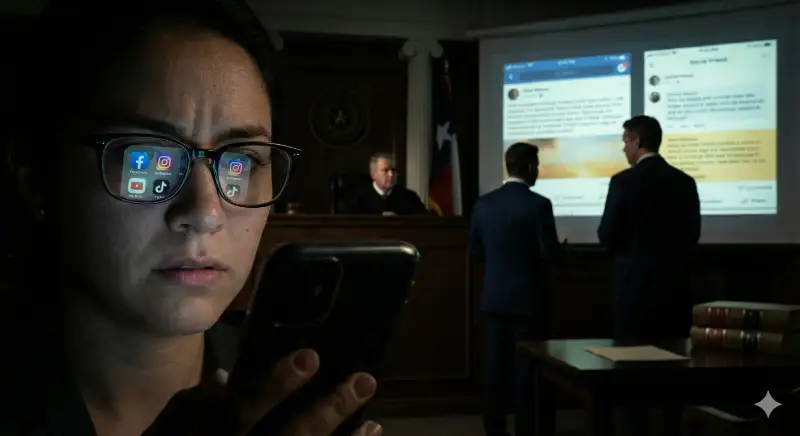

Texas law gives you two years to file personal injury cases, though hidden injuries might extend your time to seek justice. Texas courts recognize that some injuries don’t show up right away through the discovery rule.
Figuring out when your time limit starts can be tricky, especially with injuries that show up later. The discovery rule lets you file a lawsuit within two years from the day you first noticed your injury, not from when the incident happened. The rule has strict limits though – medical malpractice cases face a 10-year absolute deadline, and claims against government entities follow different timelines.
This piece explains how Texas statute of limitations applies to personal injury cases. You’ll learn about possible exceptions and steps to protect your legal rights before the deadline passes.
Understanding Texas Personal Injury Statute of Limitations
Texas Civil Practice and Remedies Code § 16.003 sets strict deadlines for filing personal injury claims. You must file your lawsuit within two years from the date of your injury. This timeline covers cases from car accidents to slip-and-fall incidents in the Rio Grande Valley.
Missing these deadlines could permanently prevent you from seeking compensation. Our team at The Law Office of Arturo Martinez, PC in Pharr has seen how these timelines impact injury cases throughout McAllen and nearby communities.
Simple timeline requirements under Texas law
Your two-year filing period starts when your accident or injury occurs. This deadline applies to lawsuit filings and insurance company negotiations. Wrongful death cases start their two-year countdown from the date of death.
Why time limits exist for injury claims
Legal deadlines serve several vital purposes. They keep evidence fresh and available for review. Time limits protect defendants from endless legal action threats. They also encourage quick filing while witness memories stay clear and physical evidence remains intact.
Exceptions to standard filing deadlines
Your filing deadline might extend under these circumstances:
- Legal Disability: The two-year clock starts only after you turn 18 or regain mental competence if you’re under 18 or mentally incapacitated
- Discovery Rule: You get more time if you couldn’t reasonably find your injury right away
- Defendant Absence: The clock stops if the defendant leaves Texas
Cases involving government entities need notice within six months of the injury. Medical malpractice claims have a 10-year statute of repose, and product liability cases come with a 15-year limit.
Need help figuring out your filing deadline? Call us at (956) 781-6203 for a free 24/7 consultation. Our team helps clients throughout the Rio Grande Valley, from Mission to South Padre Island, and we’ll protect your rights within these important timeframes.
The Discovery Rule: Your Potential Lifeline
Hidden injuries make personal injury cases more complex because symptoms might not show up right after an accident. Injury victims in the Rio Grande Valley get vital protection from the discovery rule. This rule extends the standard two-year filing deadline.
What qualifies as a hidden or latent injury
The discovery rule applies to latent injuries that people can’t detect through reasonable observation. Delayed medical conditions, toxic exposure effects, and professional malpractice outcomes typically fall into this category. The Texas Supreme Court takes a narrow approach to this rule and uses it only for exceptional cases where injuries are inherently undiscoverable.
How courts determine when you ‘should have known’
Texas courts review discovery rule claims using an objective standard. They focus on whether someone could have found the injury through reasonable diligence. The courts look at several factors:
- Your injury’s nature and how easy it is to detect
- What information you could access
- Any warning signs or symptoms that appeared
- Time between the incident and when you found the injury
Our team at The Law Office of Arturo Martinez, PC in Pharr has seen courts examine these claims with great care. To cite an instance, the discovery rule might not apply if you get immediate symptoms like severe chemical burns, even if more complications develop later.
Documentation needed to support discovery rule claims
You need substantial evidence to back up a discovery rule claim. We suggest collecting:
- Medical records that show when symptoms first appeared
- Expert statements that connect your injury to the incident
- Records of all your healthcare visits
- Evidence showing when you first found the injury’s cause
- Documentation of your reasonable efforts to investigate your condition
Our team helps clients from Mission to South Padre Island navigate these complex discovery rule cases. You can reach us at (956) 781-6203 for a free consultation available 24/7 to review your case’s timeline and evidence needs.
Special Circumstances That Pause the Clock
Texas law provides exceptions that pause the standard two-year statute of limitations for personal injury claims. These special provisions protect people who face specific barriers to filing their claims within the usual timeframe.
Minors and mentally incapacitated individuals
The law recognizes legal disability as grounds for tolling in two main situations. A minor’s statute of limitations doesn’t start until their 18th birthday. They have two years from that date to file their claim, which means they can take legal action until age 20.
Medical malpractice cases have different guidelines. Kids under 12 can file claims until their 14th birthday, though a 10-year statute of repose still applies. A child hurt at age 2 has until age 12 to file, while one hurt at age 9 must file by age 14.
The statute of limitations stays paused for mentally incapacitated people until they regain mental competence. Being “of sound mind” and knowing how to manage one’s affairs independently defines this competence.
Defendants who leave Texas
Recent court interpretations have narrowed the exception about defendants leaving Texas. Brief absences no longer pause the deadline if the defendant stays under Texas jurisdiction and can receive legal papers. This rule applies to college students who study out of state temporarily.
Government entity cases and notice requirements
Government entities have stricter notification rules. You must provide formal notice within six months of the incident. Your notice needs:
- A description of the damages claimed
- The incident’s time and place
- Details about how the injury occurred
Local governments might require shorter notice periods, but these can’t be less than 30 days. Some exceptions exist – formal notice isn’t needed if the government has “actual notice” of the death, injury, or property damage.
The Law Office of Arturo Martinez, PC in Pharr understands these complex timing rules. Call us at (956) 781-6203 for a free 24/7 consultation to assess your case’s specific details. Our team helps clients throughout the Rio Grande Valley, from McAllen to South Padre Island, and we make sure your rights stay protected under these vital legal provisions.
Proving Your Hidden Injury Case
A hidden injury case needs detailed documentation and expert support to succeed. The Law Office of Arturo Martinez, PC in Pharr has seen how strong evidence collection helps claims succeed in McAllen and the Rio Grande Valley.
Medical evidence requirements
Medical records are the foundations of your hidden injury case. These documents should clearly show your injury details, treatments needed, and future implications. You should get medical care right after any incident. Quick evaluation creates detailed records that show both the existence and severity of your injuries.
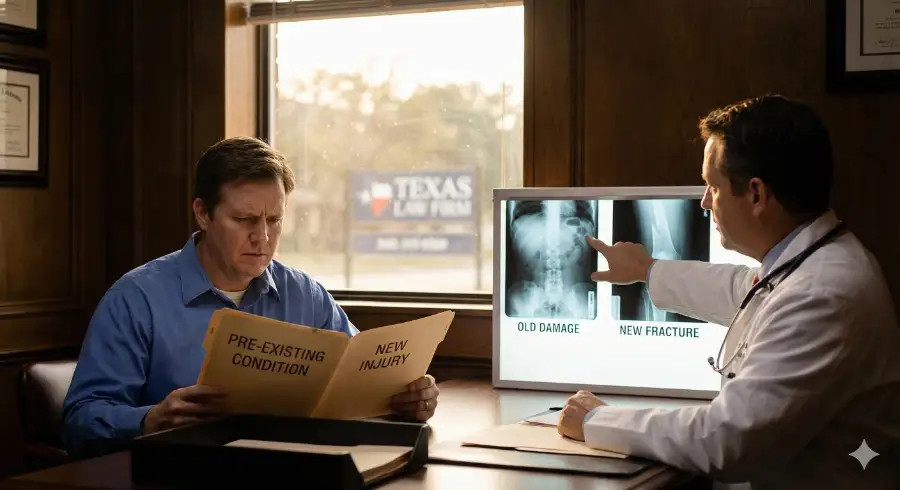
Your medical records must show a clear connection between the accident and your injuries. This link becomes vital because insurance companies often challenge claims. They suggest injuries come from pre-existing conditions. A 71-year-old client received a USD 1.00 million settlement after medical records helped disprove insurance company claims about pre-existing conditions.
Expert testimony considerations
Expert witnesses can change case outcomes with their specialized knowledge. These professionals break down complex evidence and explain technical details to judges and juries. These specialists play a vital role in hidden injury cases:
- Medical experts who show injury extent and causes
- Economic experts who determine long-term financial effects
- Vocational specialists who evaluate work ability changes
- Life care planners who estimate future care needs
The right expert witness needs proper qualifications, experience, and communication skills. Expert witnesses must stay neutral and base their opinions on scientific principles. Their testimony can change case outcomes by proving liability, measuring damages, and fighting harm reduction attempts.
Building a timeline of injury discovery
A complete timeline helps win hidden injury cases. Start by collecting all medical records, including emergency room reports, hospital records, and treatment documentation. Expert opinions about your injury’s progression and long-term effects come next.
Keep records of every healthcare visit and note when symptoms first showed up. Save evidence that shows when you found the injury’s cause and steps taken to check your condition. These records show you took reasonable steps to find and address your injuries.
The Law Office of Arturo Martinez, PC helps with hidden injury cases. Call us at (956) 781-6203. We offer free consultations 24/7 and serve clients throughout the Rio Grande Valley, from Mission to South Padre Island.
Taking Action Before It’s Too Late
Quick action after finding an injury can be the difference between getting compensation and losing your legal rights. You need to take significant steps to protect your interests, especially with hidden injuries that might affect your timeline for filing a claim.
Steps to protect your rights immediately
Your case needs proper documentation with essential evidence. Here’s what you should collect:
- Medical records and treatment documentation
- Photographs of visible injuries or accident scenes
- Witness statements and contact information
- Accident reports and related paperwork
- Records of all expenses and lost wages
Keep all communication with insurance companies and medical providers. A detailed journal of your symptoms and their impact on your daily life will help your case.
Working with medical professionals
Getting immediate medical attention helps protect your health and creates vital documentation. Medical professionals can find non-visible injuries through diagnostic tests. These tests create records that link your injury to the accident.
Insurance companies often inspect claims to find signs of delayed treatment. Getting medical help right away prevents arguments about your injuries being unrelated to the accident. Your healthcare provider’s detailed records are a great way to get evidence that supports your claim.
Importance of legal consultation in Rio Grande Valley
The Law Office of Arturo Martinez, PC serves McAllen and communities throughout the Rio Grande Valley. We offer 24/7 free consultations at (956) 781-6203. Our team knows the challenges injury victims face in communities from Mission to South Padre Island.
Schedule a legal consultation soon after finding your injury to protect your rights. Our experienced attorneys assess your case’s specific details and make sure we manage to keep proper documentation and meet all deadlines.
We help residents in every part of the Rio Grande Valley – from Brownsville to Zapata. Our team is a social-first injury law firm helping clients in Edinburg, Harlingen, and surrounding areas. We guide you through proving hidden injuries and getting fair compensation.
Quick action after finding an injury makes your case stronger. Working with qualified medical professionals and getting legal help early creates a solid foundation for your case. This protects your right to compensation under Texas law.
Conclusion
Hidden injuries need careful attention to legal deadlines and proper documentation. Texas law gives you two years to file personal injury claims. The discovery rule offers extra protection at the time injuries aren’t immediately visible.
Your case’s success relies on medical records, expert statements, and quick action after you find your injury. Many people lose their chance at compensation because they wait too long to get legal help. They don’t realize their filing deadline might have already begun.
The Law Office of Arturo Martinez, PC knows these timing rules and how they affect injury cases in McAllen and the Rio Grande Valley. Our team helps clients collect vital evidence and works with medical experts to meet key deadlines that protect their compensation rights.
Every moment counts in personal injury cases. Call us at (956) 781-6203 for a free consultation anytime. We help clients from Mission to South Padre Island throughout the Rio Grande Valley and make sure their rights stay protected while there’s still time to act.
FAQs
Q1. What is the statute of limitations for personal injury claims in Texas?
In Texas, the general statute of limitations for personal injury claims is two years from the date of the injury. This means you typically have two years to file a lawsuit against the responsible party.
Q2. Are there any exceptions to the two-year statute of limitations in Texas?
Yes, there are exceptions. The discovery rule may extend the deadline if the injury wasn’t immediately apparent. Additionally, the statute of limitations may be paused for minors, mentally incapacitated individuals, or in cases where the defendant leaves Texas.
Q3. How does the discovery rule work for hidden injuries in Texas?
The discovery rule allows you to file a lawsuit within two years from when you first became aware of your injury, rather than from the date of the incident itself. This applies to injuries that weren’t immediately detectable through reasonable observation.
Q4. What evidence is needed to support a hidden injury claim in Texas?
To support a hidden injury claim, you’ll need comprehensive medical records, expert testimony linking the injury to the incident, documentation of all healthcare consultations, and evidence showing when you first discovered the injury’s cause.
Q5. How soon should I take action after discovering a hidden injury?
You should take action as soon as possible after discovering a hidden injury. Prompt action includes seeking immediate medical attention, documenting your symptoms and their impact on your daily life, gathering evidence, and consulting with a personal injury attorney to protect your rights and meet critical deadlines.